
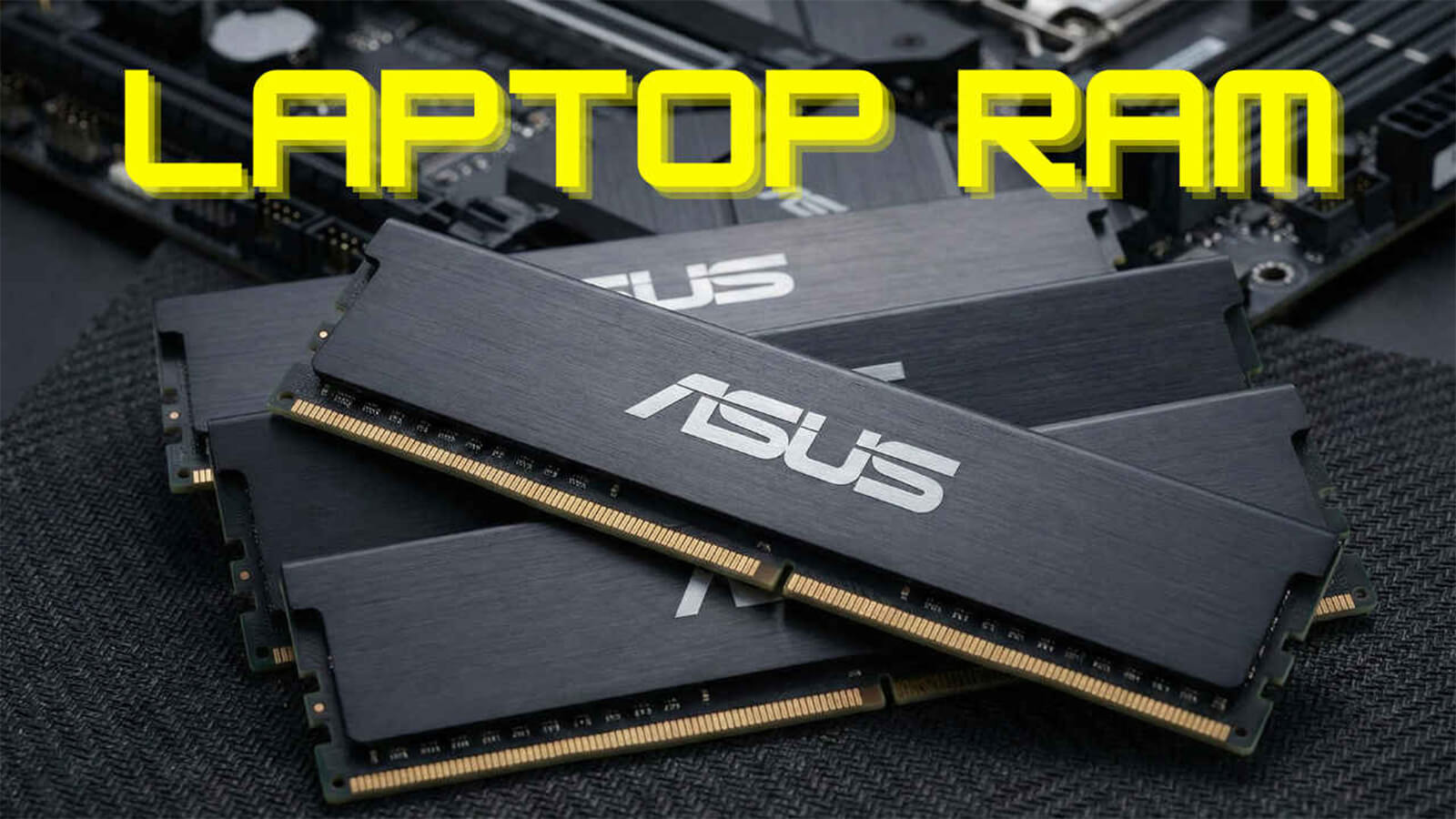
Asus Reportedly Exploring In-House RAM Manufacturing to Tackle Supply Challenges
Asus is reportedly considering a major strategic shift by starting its own RAM production in 2026, a move driven by the ongoing global shortage of memory components. If implemented, this decision could mark a significant change in how the company manages its hardware supply chain and responds to increasing demand across PCs, laptops, gaming devices, and AI-powered systems.
The global RAM market has been facing persistent supply constraints, caused by a combination of rising demand, manufacturing bottlenecks, and geopolitical factors affecting semiconductor production. Memory shortages have already led to fluctuating prices and limited availability, impacting both consumers and manufacturers. For companies like Asus, which rely heavily on third-party memory suppliers, these disruptions can delay product launches and increase production costs.
By potentially manufacturing its own RAM, Asus could gain greater control over supply, pricing, and quality. In-house production would reduce dependency on external memory makers and help ensure a steady supply for its wide range of products, including laptops, desktops, gaming PCs under the ROG brand, and enterprise hardware. This strategy could also allow Asus to better optimise RAM performance specifically for its own devices.
Industry analysts suggest that Asus may initially focus on DDR5 and future-generation memory technologies, aligning with next-generation processors and AI workloads. Rather than competing directly with established memory giants at scale, Asus is expected to prioritise internal use, custom-tuned modules, and premium segments where performance and reliability are critical.
However, entering RAM manufacturing is no small challenge. Memory production requires significant investment, advanced fabrication facilities, and specialised expertise. Asus may choose a hybrid approach—partnering with existing semiconductor manufacturers while developing proprietary designs and quality control processes under its own brand.
If the plan moves forward, it could also impact the broader market. Other PC and hardware manufacturers may consider similar vertical integration strategies to protect themselves from future shortages. This shift could gradually change how memory components are sourced and priced across the industry.
For consumers, Asus-made RAM could eventually translate into better product availability, improved system stability, and potentially more competitive pricing for Asus devices. It may also open the door to branded Asus RAM modules for DIY PC builders and gamers, expanding the company’s presence in the components market.
While Asus has not officially confirmed its plans, the possibility of in-house RAM production highlights how hardware manufacturers are adapting to an increasingly uncertain global supply chain. If realised in 2026, this move could strengthen Asus’s long-term position in the competitive tech landscape.